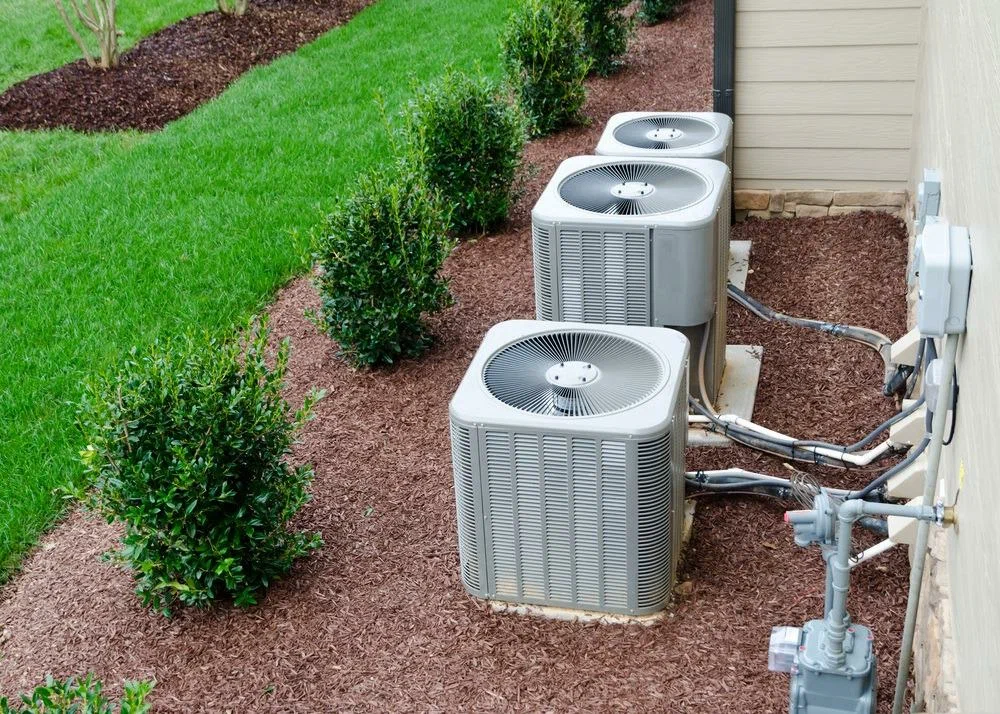
Reliable heating and cooling are essential for comfortable homes and productive businesses in Denver. A properly maintained HVAC system can help maintain consistent indoor temperatures, support efficient operation, and reduce unexpected equipment problems. Whether you need a new system installed, an existing unit repaired, or routine maintenance completed, choosing the right HVAC service can make a significant difference.
Denver HVAC Service includes a range of solutions, from troubleshooting and repairs to HVAC installation, replacement, preventive maintenance, and ongoing system care. Residential and commercial properties have different heating and cooling requirements, so professional evaluation is important when selecting or servicing HVAC equipment.
Key Takeaways
- Denver HVAC service covers installation, repairs, replacements, maintenance, and system troubleshooting.
- Regular HVAC maintenance can help identify developing problems before they become major breakdowns.
- HVAC repairs should address the underlying cause rather than only the visible symptom.
- HVAC replacement may be appropriate when equipment is aging, inefficient, or repeatedly requiring repairs.
- Residential HVAC and commercial HVAC systems require different approaches based on building size, usage, and equipment.
- A qualified HVAC technician can evaluate system performance and recommend practical solutions.
- Professional HVAC service supports comfort, equipment reliability, and efficient operation throughout the year.
What Is HVAC Service?
HVAC service refers to the professional work performed to install, inspect, maintain, diagnose, repair, or replace heating, ventilation, and air conditioning equipment.
HVAC stands for heating, ventilation, and air conditioning. These systems help control indoor temperature, airflow, and overall comfort in homes and commercial buildings.
A complete HVAC service may include:
- HVAC system inspections
- Heating and cooling diagnostics
- HVAC repairs
- HVAC installation
- HVAC replacements
- Preventive maintenance
- Airflow evaluation
- Thermostat checks
- Component testing
- System performance assessments
The appropriate service depends on the condition of the equipment, the building’s requirements, and the specific problem affecting the system.
Denver HVAC Service for Homes and Businesses
Denver properties can experience changing heating and cooling demands throughout the year. A system that operates properly during one season may still need inspection or maintenance before the next major change in temperature.
Professional service can help homeowners and businesses address both immediate HVAC problems and long-term equipment needs.
Residential HVAC Service
Residential HVAC service is designed around the heating and cooling requirements of individual homes. Services may include air conditioning repairs, heating system maintenance, equipment installation, replacement, and troubleshooting.
Homeowners may need HVAC service when they notice:
- Uneven indoor temperatures
- Weak airflow
- Unusual system noises
- Frequent cycling
- Inconsistent heating or cooling
- Rising energy consumption
- A thermostat that does not respond properly
- A system that stops operating
A residential HVAC technician can inspect the equipment, identify the likely cause, and determine whether repair, maintenance, or replacement is appropriate.
Commercial HVAC
Commercial HVAC systems often have greater capacity and more complex controls than residential equipment. Offices, retail locations, restaurants, medical facilities, warehouses, and other businesses may have different temperature-control requirements depending on occupancy, building size, equipment, and operating schedules.
Commercial HVAC service may involve:
- Equipment diagnostics
- Commercial system repairs
- HVAC installation
- System replacement
- Preventive maintenance
- Airflow evaluation
- Controls and thermostat inspection
- Performance testing
For businesses, timely service can also help minimize disruption to employees, customers, and daily operations.
How Does HVAC Service Work?
A professional HVAC service typically begins with an assessment of the equipment and the reported concern.
A technician may:
- Inspect the HVAC system to understand its current condition.
- Identify symptoms and performance problems affecting heating or cooling.
- Test relevant components and system controls.
- Determine the underlying cause of the problem.
- Recommend a suitable solution, such as repair, maintenance, or replacement.
- Complete the required work and check system performance afterward.
The exact process varies depending on the equipment and service required. A straightforward maintenance appointment may involve routine inspection and cleaning, while a complex HVAC system repair may require more detailed diagnostics.
HVAC Installation
HVAC installation is the process of selecting, sizing, configuring, and installing a heating and cooling system for a property.
Proper installation matters because even high-quality equipment may perform poorly if it is incorrectly sized or installed. Factors such as building size, insulation, layout, occupancy, airflow, and existing ductwork can influence equipment selection.
A professional HVAC installation should consider:
- Appropriate system capacity
- Building heating and cooling requirements
- Equipment compatibility
- Airflow
- Thermostat and control requirements
- Installation space
- Long-term operating needs
For new construction or major remodeling projects, HVAC planning should ideally happen before equipment is selected and installed.
HVAC Repairs
HVAC repairs address problems that prevent a heating or cooling system from operating correctly.
Common issues can involve electrical components, airflow restrictions, thermostats, motors, controls, refrigerant-related problems, or other mechanical components.
An effective repair should focus on identifying why the system failed, not simply replacing a component without understanding the cause.
Common HVAC Repair Problems
Homeowners and businesses may request an HVAC repair service when they experience:
- HVAC not cooling
- HVAC not heating
- Weak airflow
- Strange noises
- Frequent cycling
- Thermostat problems
- Inconsistent temperatures
- Unexpected energy consumption
Some problems may be relatively simple, while others can indicate more significant equipment concerns. Professional diagnostics help determine the appropriate next step.
HVAC System Repair
HVAC system repair involves diagnosing and correcting problems affecting the overall operation of heating and cooling equipment.
Rather than assuming that one visible symptom represents the entire problem, an HVAC technician evaluates the system and related components. For example, weak cooling could have multiple potential causes, so proper diagnosis is important before deciding on a repair.
This approach can help property owners avoid unnecessary part replacement and make more informed decisions about equipment maintenance or replacement.
HVAC Replacements
HVAC replacements may become necessary when an existing system is aging, inefficient, unreliable, or repeatedly requiring repairs.
Replacement can be worth considering when:
- Repair costs are becoming increasingly frequent
- Equipment performance has declined
- The system struggles to maintain indoor temperatures
- Parts or components are becoming difficult to source
- Operating costs have increased
- The equipment no longer meets the property’s requirements
A replacement decision should consider more than the initial equipment price. System capacity, efficiency, installation requirements, expected usage, and long-term maintenance should all be evaluated.
HVAC Maintenance
HVAC maintenance is preventive care designed to keep heating and cooling equipment operating properly.
Routine service can include inspection, cleaning, testing, and evaluation of system components. Maintenance also gives an HVAC technician an opportunity to identify developing concerns before they result in a larger operational problem.
HVAC Maintenance Service
A typical HVAC maintenance service may include:
- Inspecting system components
- Checking thermostat operation
- Evaluating airflow
- Cleaning applicable components
- Checking electrical connections
- Reviewing system performance
- Identifying signs of wear
- Recommending necessary repairs
Maintenance requirements vary by equipment type and usage. Residential systems and heavily used commercial equipment may require different service schedules.
Why Is HVAC Maintenance Important?
Regular HVAC maintenance can help support:
- Consistent indoor comfort
- Reliable equipment operation
- Efficient system performance
- Longer equipment service life
- Early identification of developing problems
- Reduced likelihood of unexpected breakdowns
Maintenance does not guarantee that a system will never fail, but it can provide an important layer of preventive care.
For businesses, scheduled maintenance can be particularly useful because an unexpected HVAC failure can affect employees, customers, inventory, or normal operations.
Choosing a Denver HVAC Technician
A Denver HVAC technician should be able to evaluate HVAC equipment systematically and explain the recommended service clearly.
When selecting an HVAC professional, consider:
- Experience with your type of HVAC equipment
- Ability to provide diagnostics and repairs
- Installation and replacement capabilities
- Preventive maintenance services
- Residential or commercial experience
- Clear communication about recommended work
- Availability for ongoing service
The right technician should help you understand the condition of your equipment instead of simply recommending the most expensive option.
Denver HVAC Specialist vs. General HVAC Service
A Denver HVAC specialist focuses on heating, cooling, ventilation, and related system requirements. Specialist knowledge can be particularly valuable when dealing with complex equipment, recurring performance problems, system replacements, or specialized commercial applications.
For straightforward maintenance, routine inspections, or common repairs, standard HVAC service may be sufficient. More complicated problems may require deeper diagnostics and experience with specific equipment types.
What Does an HVAC Contractor Do?
An HVAC contractor provides or coordinates professional heating and cooling services for residential or commercial properties.
Depending on the company and project, an HVAC contractor may provide:
- HVAC installation
- HVAC repairs
- HVAC replacements
- HVAC maintenance
- System diagnostics
- Residential HVAC service
- Commercial HVAC service
- Equipment recommendations
For larger projects, the contractor may also coordinate equipment selection, installation planning, system testing, and ongoing maintenance.
When Should You Call for HVAC Service?
You should consider scheduling HVAC service when your system begins showing performance problems rather than waiting until a complete breakdown occurs.
Contact an HVAC professional if you notice:
- The system cannot maintain the desired temperature
- Airflow has become noticeably weaker
- The equipment makes unusual sounds
- The system repeatedly turns on and off
- Heating or cooling performance changes unexpectedly
- Energy consumption appears unusually high
- The system requires frequent repairs
- You are considering replacing older equipment
Early evaluation can help determine whether a relatively minor repair or maintenance service can address the problem.
High-End Residential HVAC
High-end residential HVAC systems can involve advanced equipment, zoning, controls, and customized comfort requirements.
Larger homes and luxury properties may require more precise temperature control across multiple rooms or zones. System planning should account for the home’s layout, occupancy patterns, equipment capacity, airflow, and control preferences.
Professional installation and ongoing maintenance are especially important for complex residential systems because multiple components may need to work together to provide consistent comfort.
How to Choose the Right HVAC Service
Choosing an HVAC service provider is about more than finding someone who can replace a component. Look for a company that can evaluate the complete system and explain the available options.
Before scheduling service, consider asking:
- What is causing the HVAC problem?
- Can the system be repaired, or is replacement more practical?
- What maintenance does the equipment require?
- Is the system properly sized for the property?
- What should be monitored after the service is completed?
Clear answers can help homeowners and businesses make better decisions about HVAC equipment.
HVAC Service for Denver’s Homes and Businesses
A dependable HVAC system supports more than temperature control. It contributes to the comfort of a home and the functionality of a business.
For homeowners, professional service can help maintain reliable heating and cooling through changing seasons. For businesses, properly functioning HVAC equipment can support comfortable workspaces and customer environments while reducing operational disruptions.
Whether you need Denver HVAC repair, a Denver HVAC technician, or ongoing maintenance, the best approach is to match the service to the actual condition and requirements of the equipment.
Frequently Asked Questions About Denver HVAC Service
What does Denver HVAC service include?
Denver HVAC service can include HVAC installation, repairs, replacements, maintenance, diagnostics, system inspections, and performance evaluations for residential and commercial properties.
How often should HVAC systems receive maintenance?
Most HVAC systems benefit from routine professional maintenance, with the appropriate schedule depending on the equipment type, age, usage, and manufacturer recommendations. Heavily used commercial systems may require more frequent attention.
How do I know if my HVAC system needs repair or replacement?
Frequent breakdowns, declining performance, increasing repair requirements, aging equipment, and difficulty maintaining comfortable temperatures can indicate that replacement should be considered. A professional evaluation can help determine the most practical option.
What is the difference between residential HVAC and commercial HVAC?
Residential HVAC generally serves individual homes, while commercial HVAC is designed for larger or differently configured buildings such as offices, restaurants, retail properties, and other businesses. Commercial systems can involve larger equipment and more complex controls.
How can I find a reliable HVAC technician in Denver?
Look for an HVAC technician with relevant experience, appropriate qualifications, clear communication, and the ability to provide the specific installation, repair, replacement, or maintenance service your property requires.
Final Thoughts on Denver HVAC Service
Reliable heating and cooling depend on properly selected, installed, maintained, and serviced equipment. Whether your property needs Denver HVAC service, an HVAC repair, a replacement, or routine maintenance, professional evaluation can help you choose the right solution.
For homeowners and businesses in Denver, working with an experienced HVAC contractor provides a practical way to address immediate equipment problems while planning for long-term system performance.
Need HVAC service in Denver, CO? Contact AJs Refrigeration at (720) 717-0050 to discuss your heating and cooling needs and schedule service.