
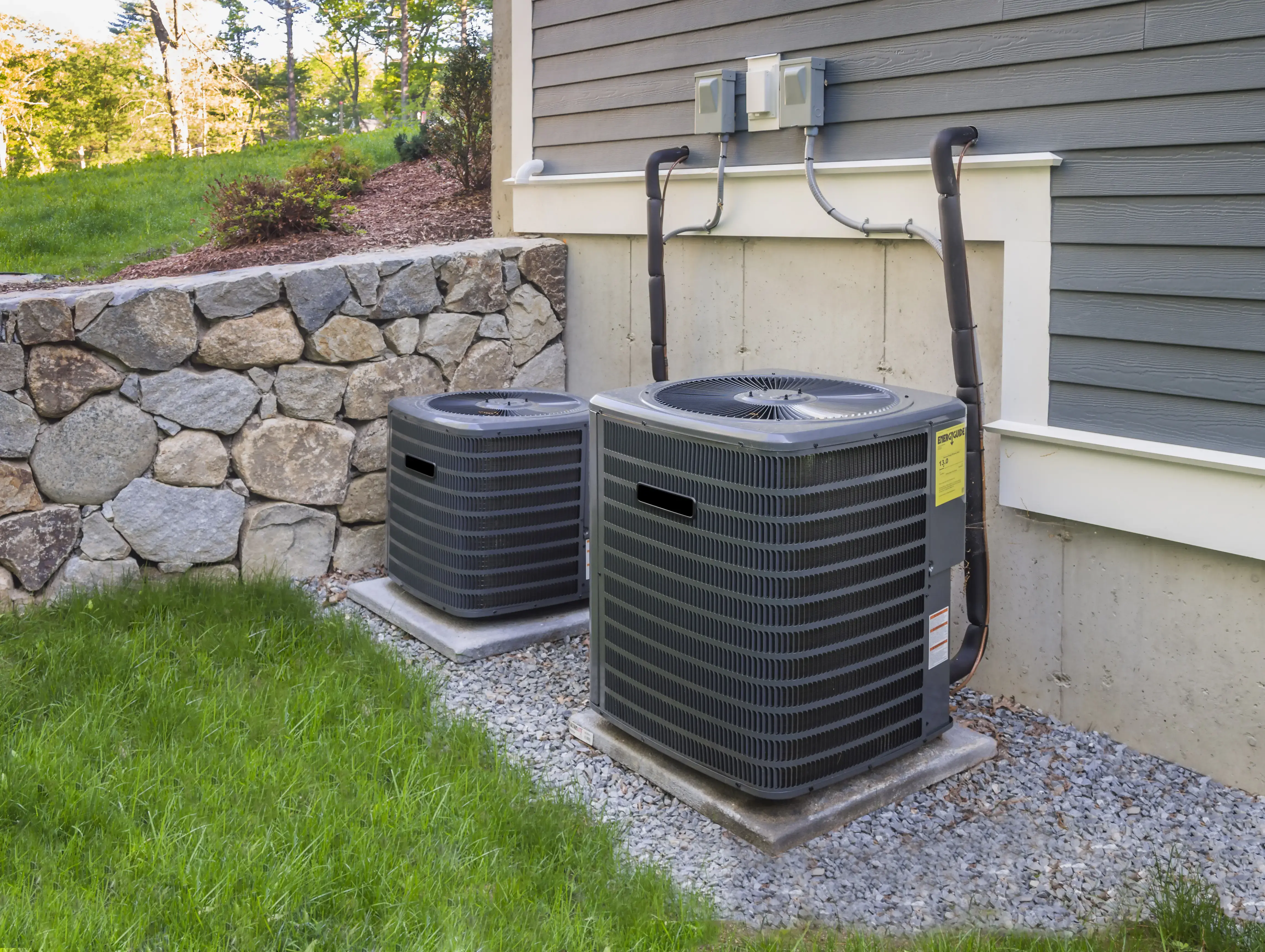
Planning a new heating and cooling system requires more than choosing an HVAC unit. HVAC installation cost can vary based on the type of equipment, system size, energy efficiency, labor, ductwork, electrical requirements, and the condition of the existing system. Homeowners in Denver, CO may also need to consider their property’s heating demands when selecting equipment that can provide reliable comfort throughout changing seasons.
Whether you are replacing an aging furnace, installing central air conditioning, or considering a heat pump, understanding what goes into the total project cost can help you plan your budget. A professional HVAC installation company can evaluate the property and provide an estimate based on the actual requirements of the installation.
What Determines HVAC Installation Cost?
HVAC installation pricing depends on several factors rather than one standard rate. The equipment selected, installation conditions, and amount of additional work required can all affect the final estimate.
Common cost factors include:
- Type of HVAC system
- Equipment size and capacity
- Energy-efficiency rating
- Installation labor
- Ductwork condition
- Electrical requirements
- Thermostat and control upgrades
- Removal of existing equipment
- Refrigerant lines and connections
- Permits and inspections
- Accessibility of the installation area
- Additional modifications or repairs
A detailed inspection can help identify these requirements before installation begins.
HVAC Installation Cost by System Type
Different heating and cooling systems require different equipment, labor, and installation procedures.
Central Air Conditioning Installation
Central air conditioning systems use an outdoor condenser and indoor cooling components to distribute conditioned air through ductwork. Installation cost can depend on the system’s cooling capacity, efficiency, existing ductwork, electrical connections, and installation complexity.
If the home already has compatible ductwork and connections, the project may involve fewer modifications than a completely new installation.
Furnace Installation
A furnace provides heating and can be an important part of a home’s HVAC system. Furnace installation cost depends on the equipment type, heating capacity, efficiency, venting requirements, gas or electrical connections, and labor.
Replacing an existing furnace may be more straightforward when the new equipment is compatible with the existing setup. However, modifications may be necessary when upgrading the system or changing equipment specifications.
Heat Pump Installation
Heat pumps provide both heating and cooling, making them an option for homeowners looking for one system that can handle multiple comfort needs.
The cost of heat pump installation can depend on the equipment type, capacity, efficiency, electrical requirements, indoor and outdoor components, and whether existing ductwork can be used.
Ductless Mini-Split Installation
Ductless mini-split systems can provide heating and cooling without requiring traditional ductwork throughout the property. They may be useful for additions, individual rooms, converted spaces, or homes where extending ductwork would be difficult.
Installation cost depends on the number of indoor units, outdoor equipment, electrical work, line-set installation, and the complexity of routing the connections.
How Does HVAC System Size Affect Cost?
HVAC equipment needs to be appropriately sized for the property. Choosing equipment simply because it has a higher capacity does not necessarily provide better performance.
A professional HVAC company can evaluate factors such as:
- Home size
- Insulation
- Windows and doors
- Layout
- Existing ductwork
- Local climate
- Heating and cooling requirements
- Airflow needs
Proper sizing can help support consistent indoor temperatures and efficient system operation.
Does Energy Efficiency Affect HVAC Installation Cost?
Yes. Higher-efficiency HVAC equipment can have a higher initial purchase and installation cost. However, homeowners may consider efficiency when looking at long-term operating expenses.
Air conditioning systems may use SEER2 ratings to describe cooling efficiency, while furnaces commonly use AFUE ratings to indicate heating efficiency.
The most efficient equipment is not automatically the right choice for every home. A professional can compare efficiency, equipment capacity, installation requirements, and expected usage to help determine an appropriate system.
Can Ductwork Increase HVAC Installation Cost?
Ductwork can significantly affect an HVAC installation project. Existing ducts may have leaks, damaged sections, poor insulation, airflow restrictions, or sizing issues that need to be addressed before the new equipment is installed.
Additional work may include:
- Duct repair
- Duct replacement
- Air sealing
- Duct insulation
- New duct runs
- Airflow adjustments
- Register or return modifications
A duct inspection can help determine whether the existing system can support the new HVAC equipment.
Does Labor Affect HVAC Installation Cost?
Labor is an important part of any HVAC installation. The amount of work required can vary depending on equipment location, accessibility, existing connections, system type, and whether additional modifications are necessary.
A straightforward replacement may require less labor than a new installation involving ductwork changes, electrical upgrades, equipment relocation, or other modifications.
When reviewing an estimate, homeowners should look at the complete scope of work rather than comparing equipment prices alone.
Does Replacing an HVAC System Cost More Than Replacing One Component?
Replacing an entire HVAC system generally involves more equipment and labor than replacing a single component.
A complete installation may involve:
- Heating equipment
- Cooling equipment
- Indoor and outdoor components
- Thermostat or controls
- Refrigerant connections
- Electrical connections
- Ductwork modifications
- Removal of existing equipment
- System testing and startup
For some homeowners, replacing compatible heating and cooling equipment together may provide a more coordinated system. However, the right approach depends on the condition and age of the existing components.
Do Permits Affect HVAC Installation Cost?
Depending on the location and type of work, permits and inspections may be required for HVAC installation or replacement. Mechanical, electrical, fuel-gas, and refrigerant-related requirements may all need to be considered.
Homeowners in Denver, CO should discuss applicable permit requirements with their HVAC contractor before work begins. A professional company can help explain which permits and inspections apply to the planned installation.
How Can Homeowners Manage HVAC Installation Costs?
Homeowners can make better budgeting decisions by requesting a detailed written estimate before approving the project.
The estimate should explain whether it includes:
- HVAC equipment
- Installation labor
- Removal of existing equipment
- Thermostat
- Ductwork modifications
- Electrical work
- Refrigerant-related work
- Permits
- System startup
- Testing
- Warranty information
Comparing complete proposals can provide a better understanding of the overall project than comparing equipment prices alone.
When Should You Consider HVAC Replacement?
An HVAC replacement may be worth discussing when an existing system has become unreliable, requires frequent repairs, struggles to maintain comfortable temperatures, or has declining efficiency.
Other signs may include:
- Frequent breakdowns
- Uneven temperatures
- Unusual operating sounds
- Increasing repair requirements
- Difficulty maintaining the thermostat setting
- Aging equipment
- Major component failure
- Poor overall system performance
An inspection from a professional HVAC company can help determine whether repair or replacement is more appropriate.
Why Hire a Professional HVAC Installation Company?
A professional HVAC installation company in Denver, CO can evaluate the home, recommend appropriately sized equipment, inspect existing ductwork, explain efficiency options, and complete the installation according to applicable requirements.
For homeowners in Denver, CO, choosing equipment suited to the property’s heating and cooling demands is especially important. A properly selected and installed system can support indoor comfort while helping the equipment operate as intended.
A professional installation should include equipment setup, proper connections, system testing, startup, and an explanation of basic operation and maintenance.
HVAC Installation Cost FAQs
How much does HVAC installation cost?
HVAC installation cost varies according to the type of system, equipment size, efficiency, labor, ductwork, electrical requirements, and installation complexity. The most accurate way to determine the cost is to have the property evaluated and receive a detailed estimate.
What is included in HVAC installation cost?
An HVAC installation estimate may include equipment, labor, removal of an existing system, connections, thermostat installation, ductwork modifications, permits, testing, and startup. The exact inclusions depend on the contractor and project.
Is a new furnace cheaper to install than a complete HVAC system?
A furnace-only installation generally involves fewer components than replacing both heating and cooling equipment. However, the final cost depends on the furnace, installation requirements, ductwork, connections, and other project conditions.
Does heat pump installation cost more than traditional HVAC installation?
The cost can vary depending on the heat pump type, system capacity, efficiency, electrical requirements, ductwork, and installation conditions. A professional HVAC company can compare the available options based on the property’s needs.
Can old ductwork increase HVAC installation cost?
Yes. Damaged, poorly sealed, incorrectly sized, or incompatible ductwork may require repair, replacement, sealing, or modification during an HVAC installation.
Should I repair or replace my HVAC system?
The decision depends on the system’s age, condition, repair history, efficiency, and the extent of the current problem. A professional inspection can help determine whether continued repair or replacement makes more sense.
How can I get an accurate HVAC installation estimate?
Contact a professional HVAC installation company for an evaluation of the home and existing system. The contractor can assess equipment sizing, ductwork, installation conditions, electrical requirements, and other factors before preparing a project-specific estimate.
Does HVAC installation require a permit?
Permit requirements depend on the location and type of HVAC work. Homeowners should confirm applicable requirements with their HVAC company and local building department before installation begins.